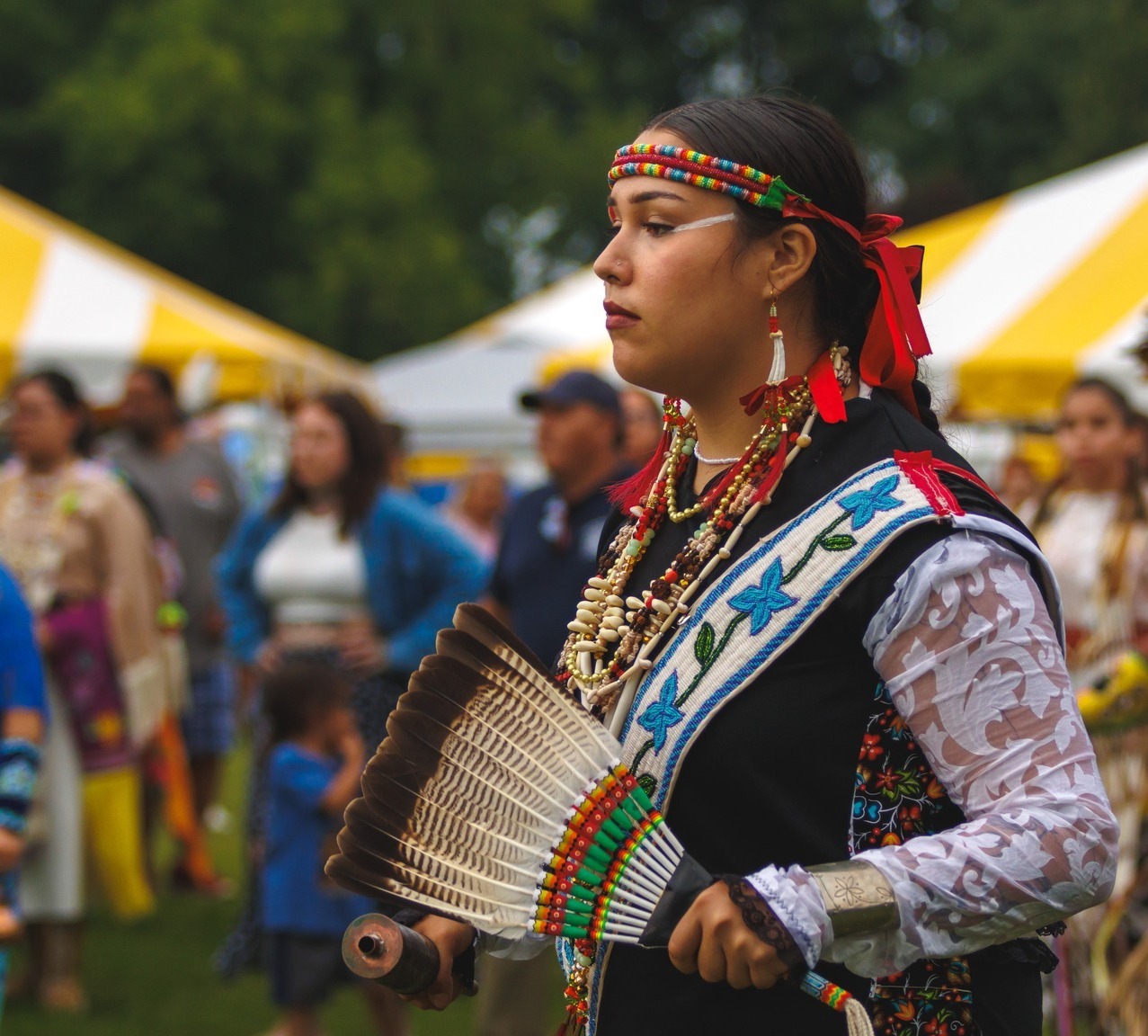
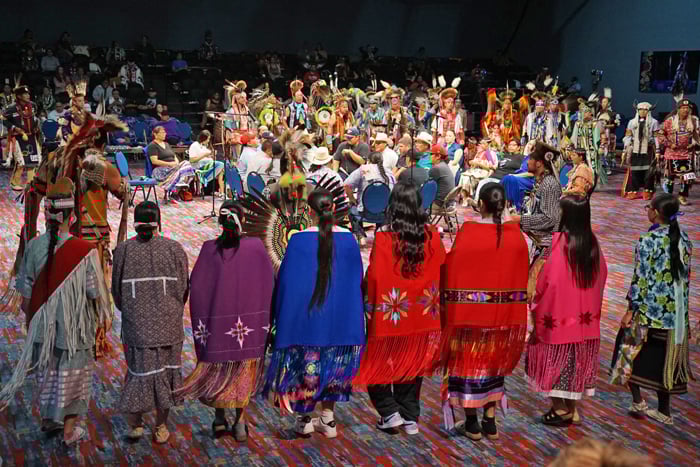
The Mississauga are a subgroup of the Ojibwe Nation, Anishinaabe Nation that originally inhabited the Great Lakes region. The Ojibwe are a part of the greater Anishinaabe peoples. The Mississauga people are known for their deep connection to the land and waterways. Colonization and treaties led to the forced displacement of many Mississauga communities, pushing them northward into what is now Ontario, Canada. Today, the Mississauga people continue to maintain their cultural heritage and advocate for Indigenous rights and land stewardship.
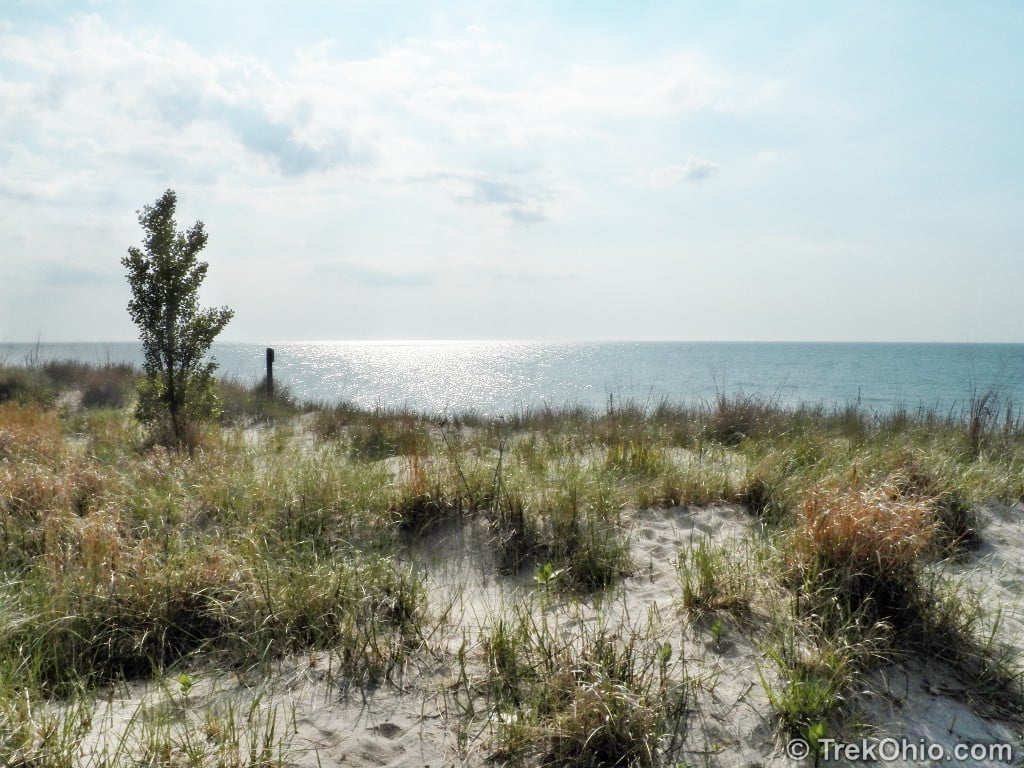
The Erie were an Iroquoian-speaking group that once lived along the southern shores of Lake Erie. The Erie Nation was known for its agricultural skills, complex social structures, and trade networks. Many Erie people were displaced in the 1600s, with survivors being adopted into other Iroquoian Nations. Even though the Erie people no longer exist as a Nation, their descendants live on within other Indigenous communities.
The Kaskaskia were part of the Illinois Confederation, a group of Algonquian-speaking Nations that lived throughout the Midwest. They were known for their strong trading networks and diplomatic relationships. The Kaskaskia suffered from disease, warfare, and land loss as a result of colonization. By the late 1700s, their numbers had significantly dwindled, and many were forcibly relocated to reservations in what is now Kansas and Oklahoma. Despite these challenges, the Kaskaskia people continue to preserve their culture and heritage as part of the Peoria Nation.
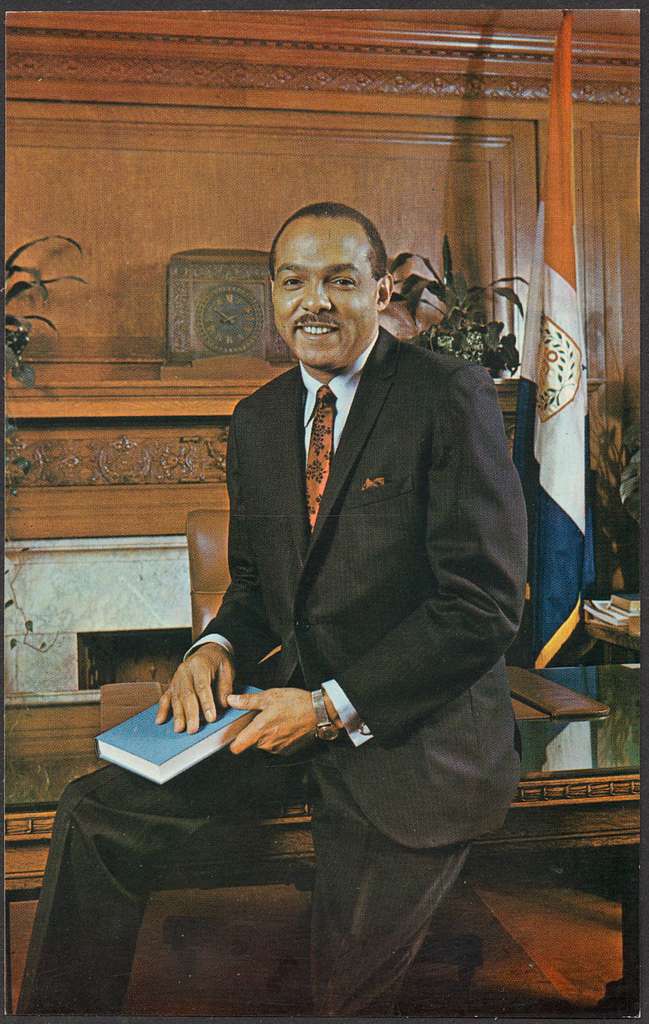
The prosperity of Cleveland and the broader United States was built in significant part on the forced labor of enslaved Africans and their descendants. Slavery was not merely a Southern institution — Northern cities and economies, including Ohio's, were deeply entangled in its supply chains, financial systems, and political structures. Ohio also served as a critical corridor on the Underground Railroad, a testament to the resistance and resilience of Black people who refused to accept their bondage. We acknowledge the ongoing impact of this history on Black communities today, and we commit to recognizing and honoring the full humanity of those whose suffering and labor have never been adequately repaired.
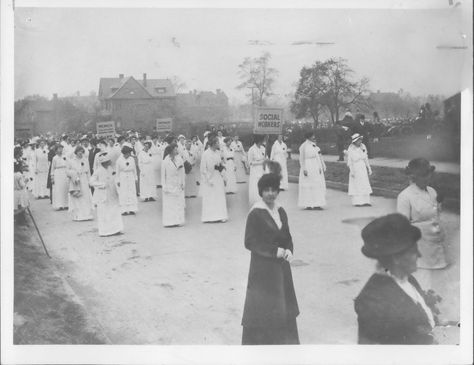
Throughout history, the labor of women — domestic, emotional, agricultural, and intellectual — has powered families, communities, and economies while going largely uncompensated and uncredited. Women were long denied property rights, wages, and recognition for their contributions to public and professional life. We acknowledge this history of erasure and exploitation, and we recognize that the inequities it created continue to shape workplaces and systems today.
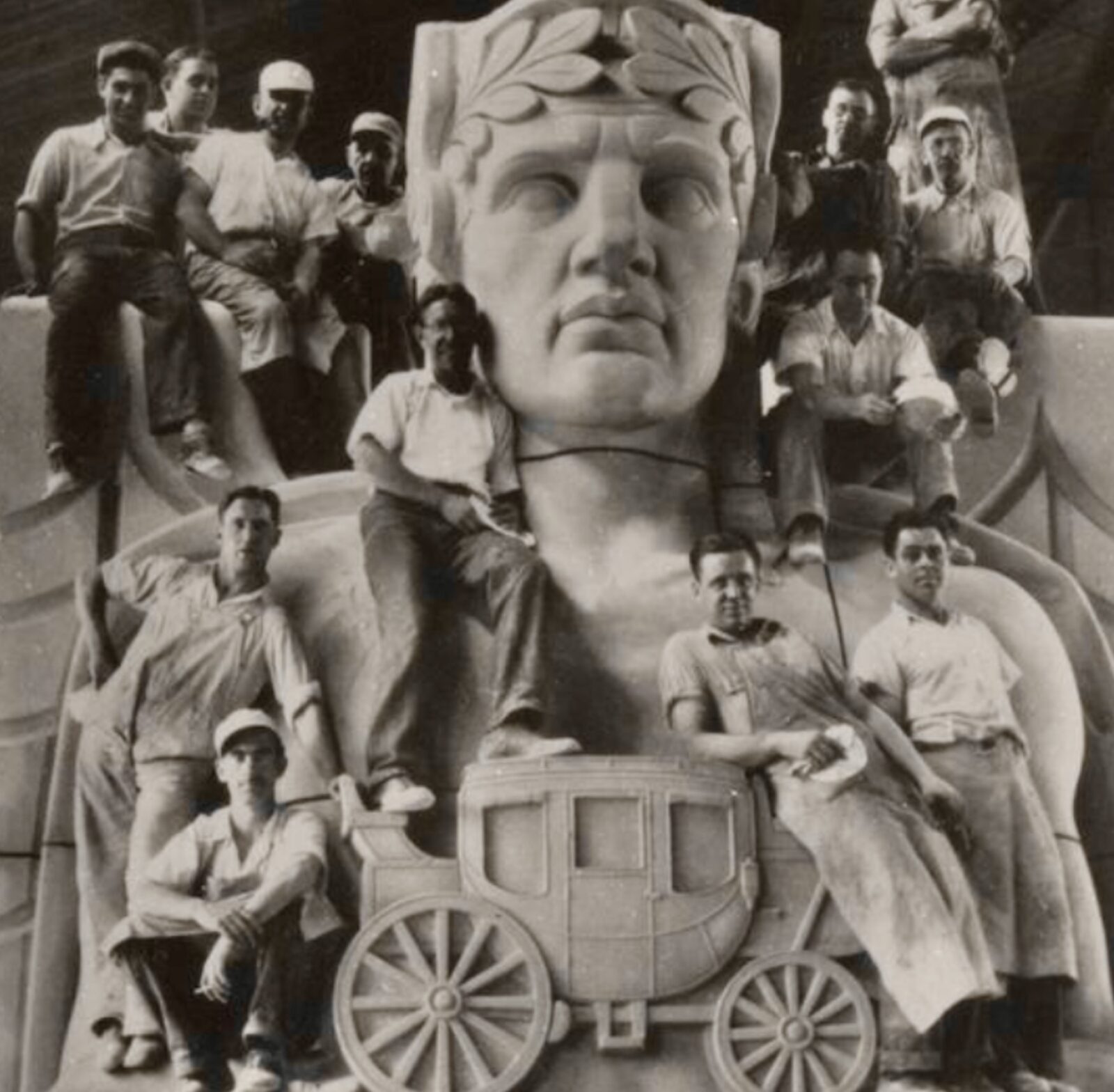
Cleveland was built by waves of immigrants and migrants — from Eastern Europe, Southern Europe, Latin America, Asia, and the American South — who came seeking opportunity and too often found exploitation. Their labor built the steel mills, the railways, the homes, and the institutions of this region. Many were denied citizenship, fair wages, safe working conditions, and the ability to fully participate in the society their work made possible. We honor their contributions and acknowledge the systems that continue to extract labor from migrant communities while denying them full rights and recognition.